
- Posts by Greg Duff
 Principal
Greg is Chair of the firm's national Hospitality, Travel & Tourism practice, which is directed at the variety of matters faced by hospitality and travel industry members, including purchase and sales agreements, management ...

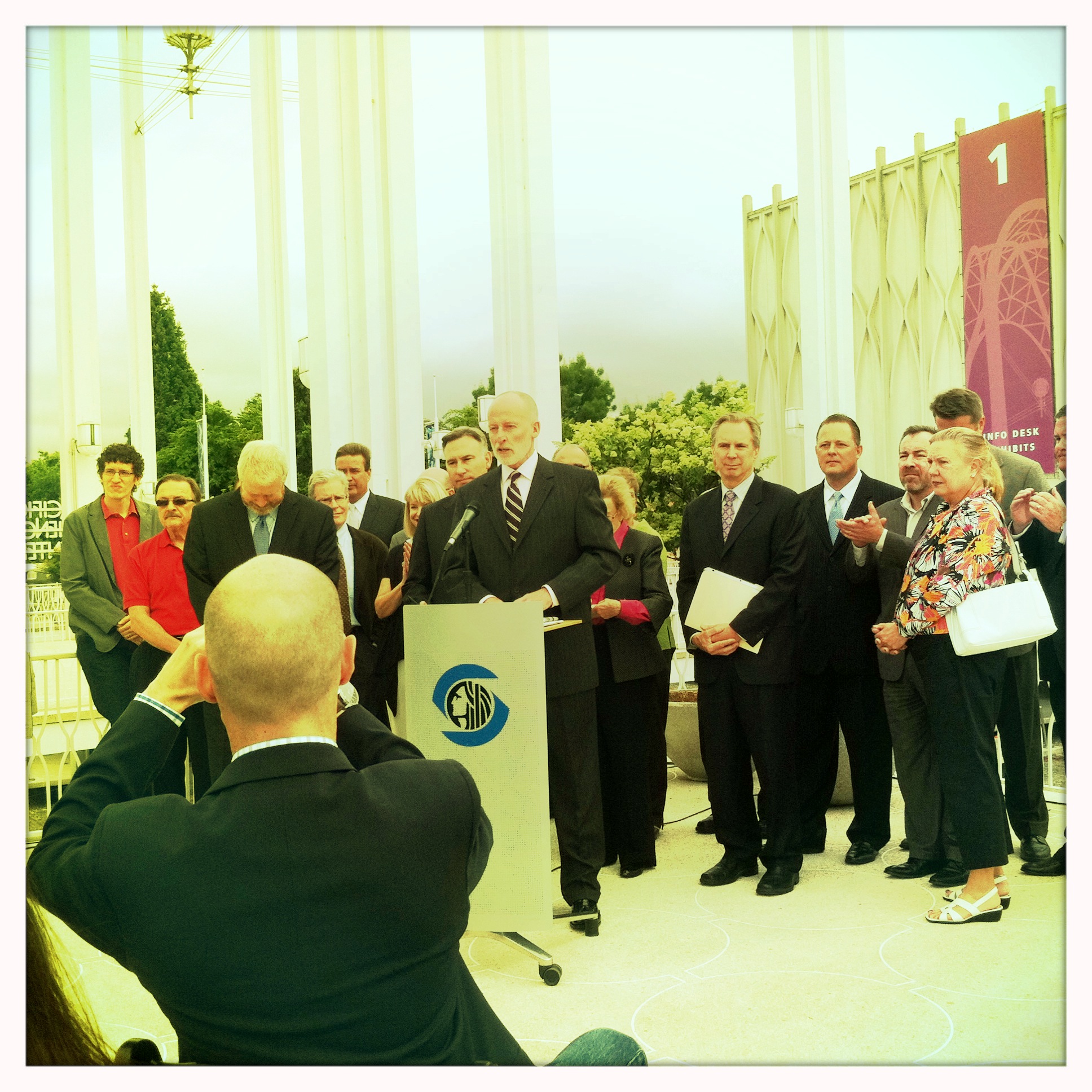 We rarely publicly celebrate the successes of our hospitality and tourism clients. Tuesday's launch of the proposed Seattle Tourism Improvement Area (STIA) initiative at The Pacific Science Center is one of the best reasons I've seen in some time to break that rule.
Last week the Seattle Hotel Association presented the 6th installment of its annual symposium and economic forecast. Like years past, this year's program featured a terrific line up of local and regional experts, including Matthew Gardner (Gardner Economics), Vail Brown (STR), Lee McCabe (Expedia), Chris Kraus (PKF) and Tom Norwalk and Jerri Lane (Seattle King County Convention and Visitor's Bureau). Local general managers and directors of sales and marketing have come to rely on the Association's annual symposium as an important part of their annual budgeting process.
As many of you are aware, the 9th Circuit Court of Appeals gave Northwest restaurant owners much to cheer about early last year when it authorized Northwest restaurants to initiate mandatory tip pools including back-of-house employees who traditionally do not receive tips. A complete description of the Court's decision in Woody Woo and its immediate effects can be found in my blog post from last November.
Earlier this month, Stephen Barth and HospitalityLawyer.com hosted the most recent installment of their successful hospitality law conference held each February in Houston. This year’s conference saw attendance return to pre-recession levels with representation from many of the in-house legal departments of the largest national and international hotel operators. The conference dedicated the first day to three all-day pre-conference boot camps on real estate, privacy / PCI compliance and the unique issues faced by the restaurant and lodging in-house lawyer. I sat through the real estate presentations, which although a little slow at times (you can only define REVPAR so many times), did a reasonable job of summarizing the variety of issues associated with the development, purchase, sale and management of hospitality properties in one coherent presentation. Ruth sat through the privacy / PCI discussion and found it very informative. The second day was filled with a wide variety of topics – from alcohol compliance, to sweepstakes, to franchise negotiations, to receiverships to tips – in one of four breakouts dedicated to food & beverage, lodging, human resources and loss prevention. The highlight of the third and final day was the annual hospitality case update.
Wednesday marked the end of another Americas Lodging Investment Summit (ALIS) Conference. This year's Conference celebrated the 10th anniversary of the venerable hospitality development and investment conference held each year in sunny Southern California.
Happy New Year (belated)! The new year means new opportunities, and in the Hospitality industry that means it’s events time! The calendar of upcoming events is varied, but here are a couple that I plan to attend:
ALIS (America’s Lodging Investment Summit): I will be attending this San Diego event, January 24 through 26. According to the website, ALIS is the “leading and largest hotel investment conference in the world, attracting more than 7,000 delegates from around the globe over the past three years.” If you plan to attend, and you’d like to get together, please email me.
2011 Hospitality Law Conference: Held at the Omni Houston Hotel in Houston, Texas, this event covers the latest trends and issues in hospitality law. This year, I’ll be speaking at the conference on the topic of distribution. I would love to meet up with you in Houston; just send me an email and let’s get together.
Of course, I’ll be providing updates and a thorough follow up after each conference. If there is a topic to be covered at either of these events that you’d like particularly to hear about, please let me know and I’ll do my best to cover it.
Tom Norwalk, President and CEO of the Seattle Convention & Visitor's Bureau has issued an Urgent Action Request. Yesterday, House Ways & Means Chair Rep. Ross Hunter's (D-Medina) released his proposed 2011 Supplemental Budget, which eliminates funding for activities to promote tourism, effective March 1, 2011 - three months earlier than anticipated. Clearly, this proposed budget bodes ill for Washington State tourism. The text of Tom's request is below. Please consider taking appropriate action:
Given the recent attention paid by clients to local security issues (including the recent and well received Hotel Industry Security Forum sponsored with the Washington Lodging Association – see Ruth Walter’s recent post on this event), I thought it a good time to review the obligations imposed by law on hoteliers and restaurateurs in Washington and Oregon to protect their guests and customers from crimes committed by third parties. In other words, what responsibility does a hotel or restaurant owner have for guests or customers who are injured (or whose property is damaged or stolen) by criminals. As I explain below, the more a hotel or restaurant owners knows about potential criminal conduct at her establishment, the more likely it is that she may be held responsible for not warning and/or protecting her guests or clients against it.
For those of you that routinely purchase split cases of wine, December 8 is an important date. On December 8, the Washington State Liquor Control Board will hold public hearings in Olympia on proposed regulatory changes that would authorize wine distributors to collect handling fees from hotels, restaurants and other retail licensees that order and receive split cases of wine. As you may have already guessed, the newly proposed rule is the result of a request made by the Washington Beer and Wine Wholesalers Association.
Given the number of questions I've received recently from clients who've heard rumors about tip pooling becoming legal, I thought it time to update everyone. The short answer is (at least for now) that employers in Washington and Oregon may initiate mandatory tip pools under certain circumstances.
 RSS Feed
 Follow us on Twitter
 Follow us on LinkedIn
 About the Editor
Greg Duff founded and chairs Foster Garvey’s national Hospitality, Travel & Tourism group. His practice largely focuses on operations-oriented matters faced by hospitality industry members, including sales and marketing, distribution and e-commerce, procurement and technology. Greg also serves as counsel and legal advisor to many of the hospitality industry’s associations and trade groups, including AH&LA, HFTP and HSMAI.
His popular weekly digest, Online Travel Update, offers a global perspective of key trends and issues at the intersection of the hospitality, online travel and technology arenas. Since 2019, Greg has been recognized among JD Supra’s Top Authors in its annual Readers’ Choice Awards for Airlines/Aviation, Transportation and Artificial Intelligence, including being named the content platform’s #1 Author for Transportation in 2021.